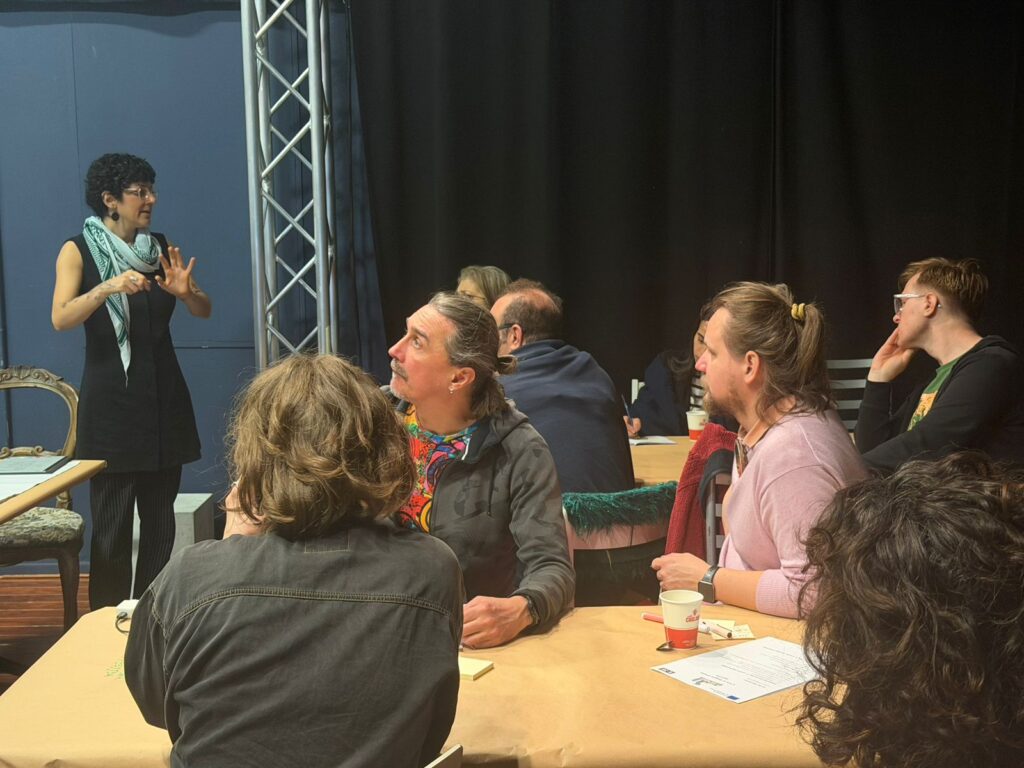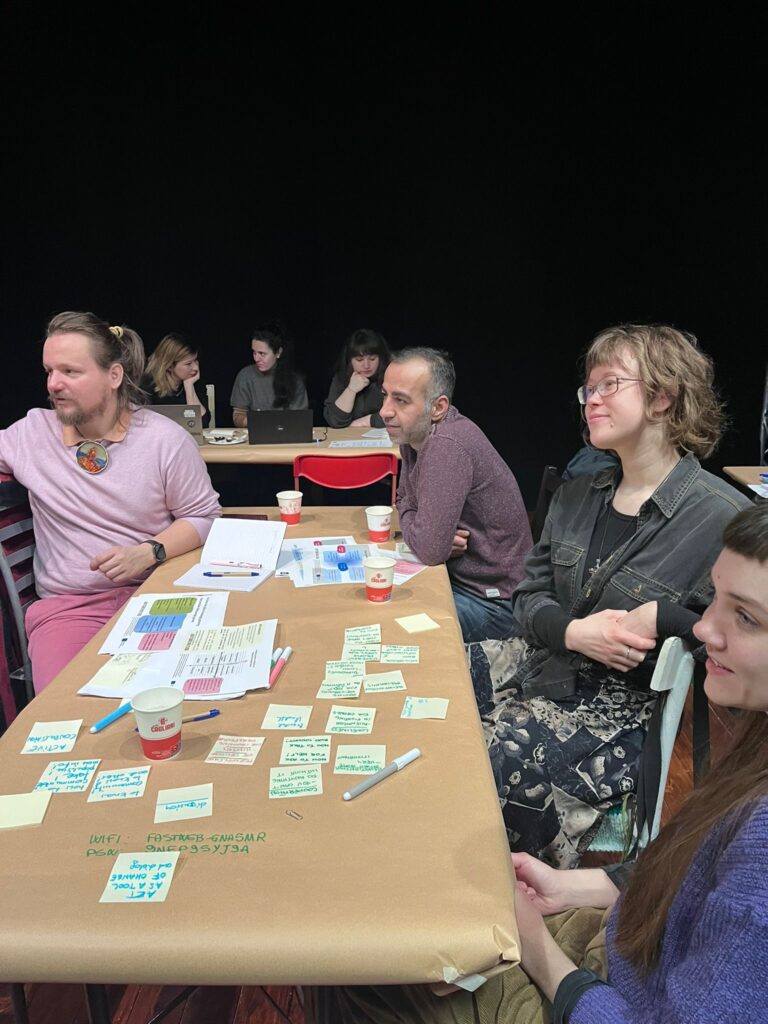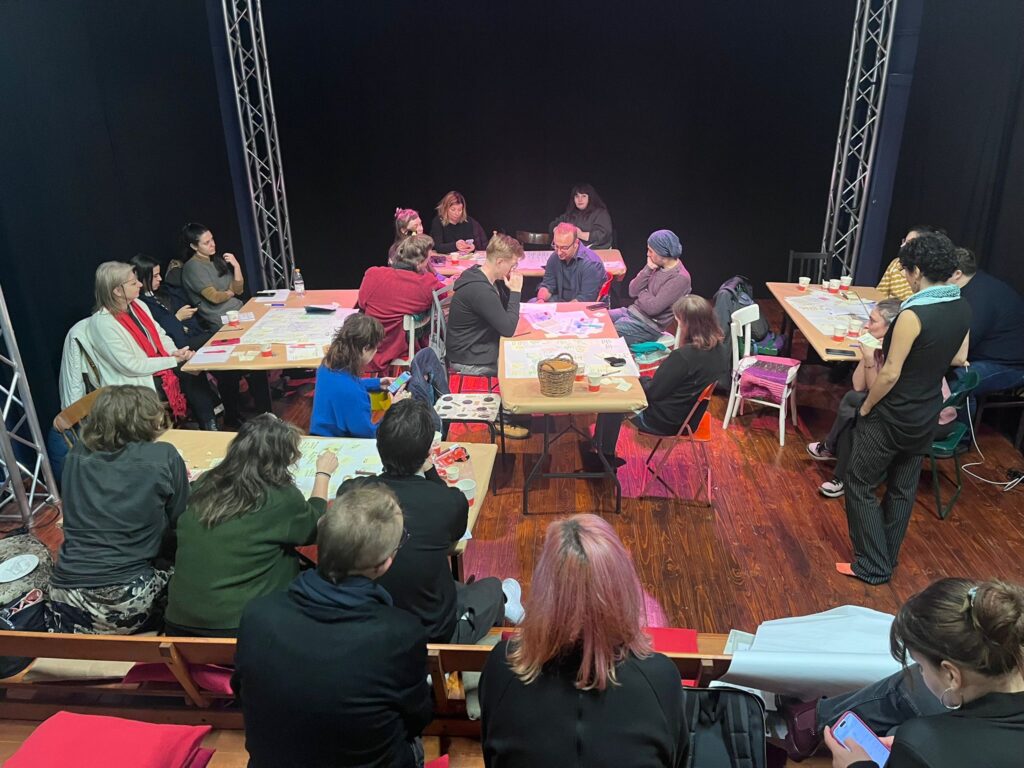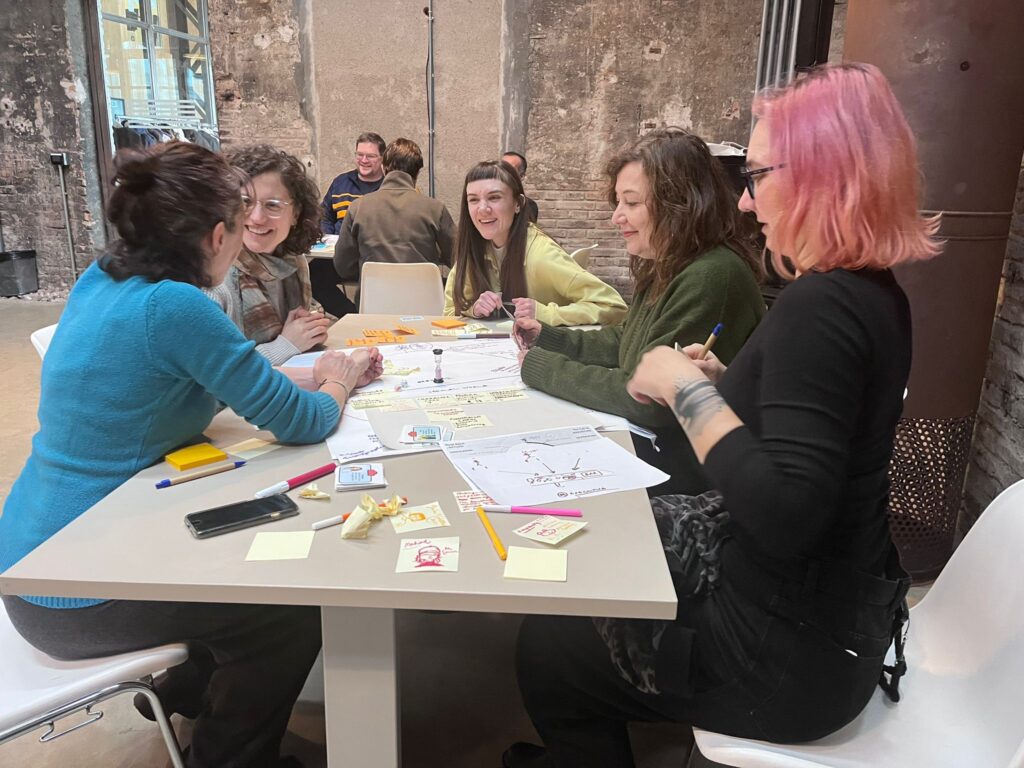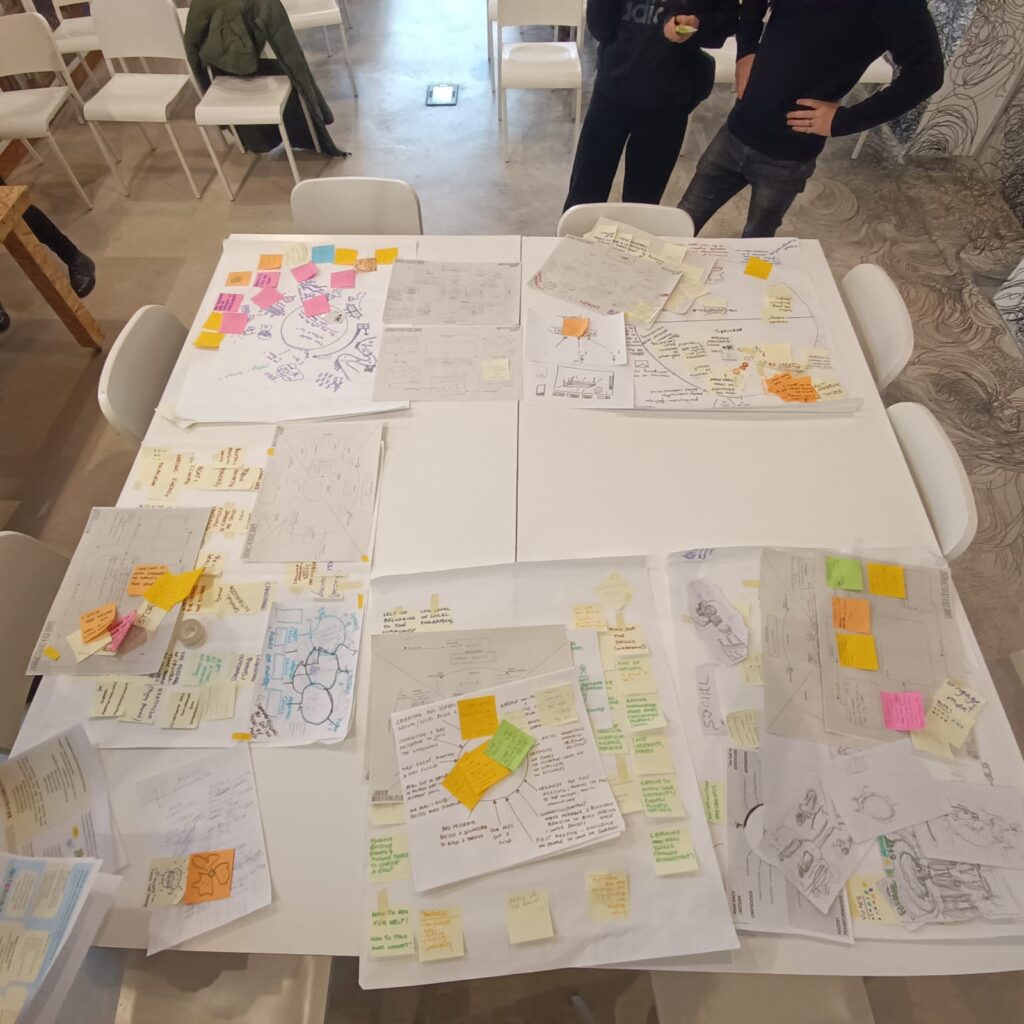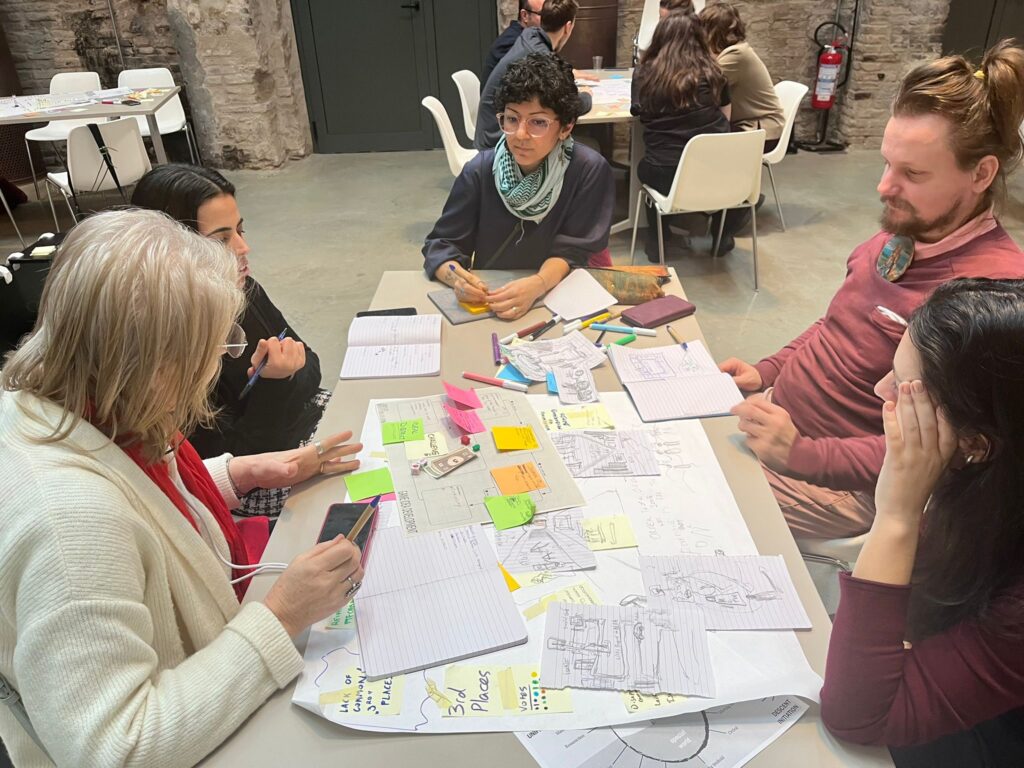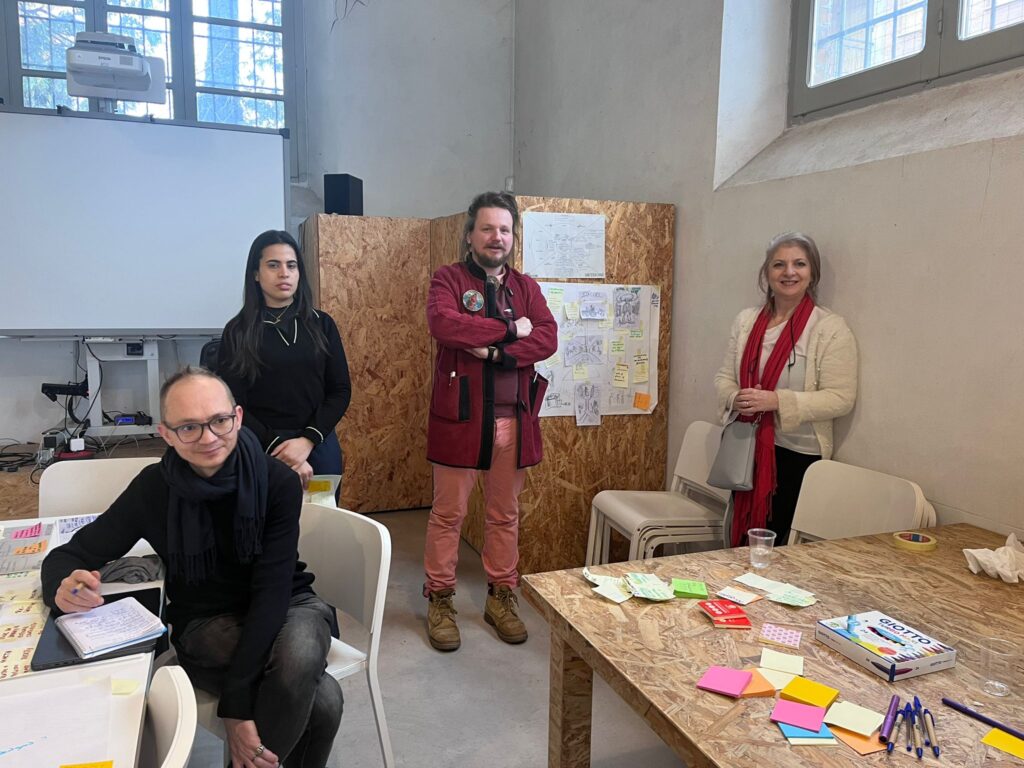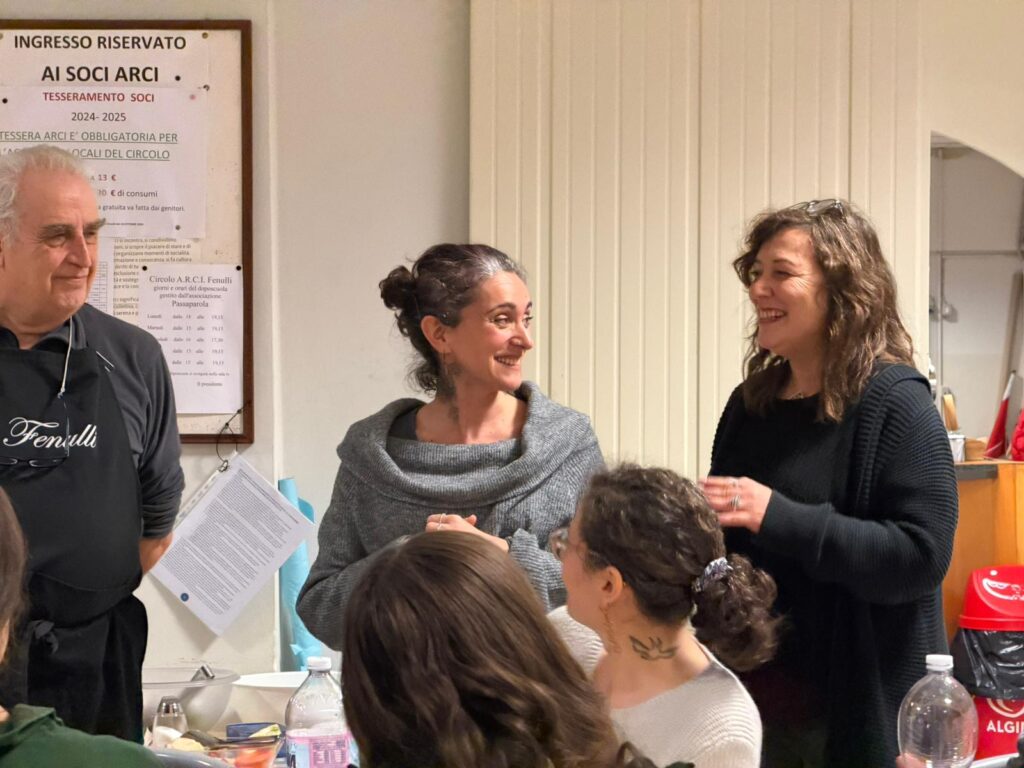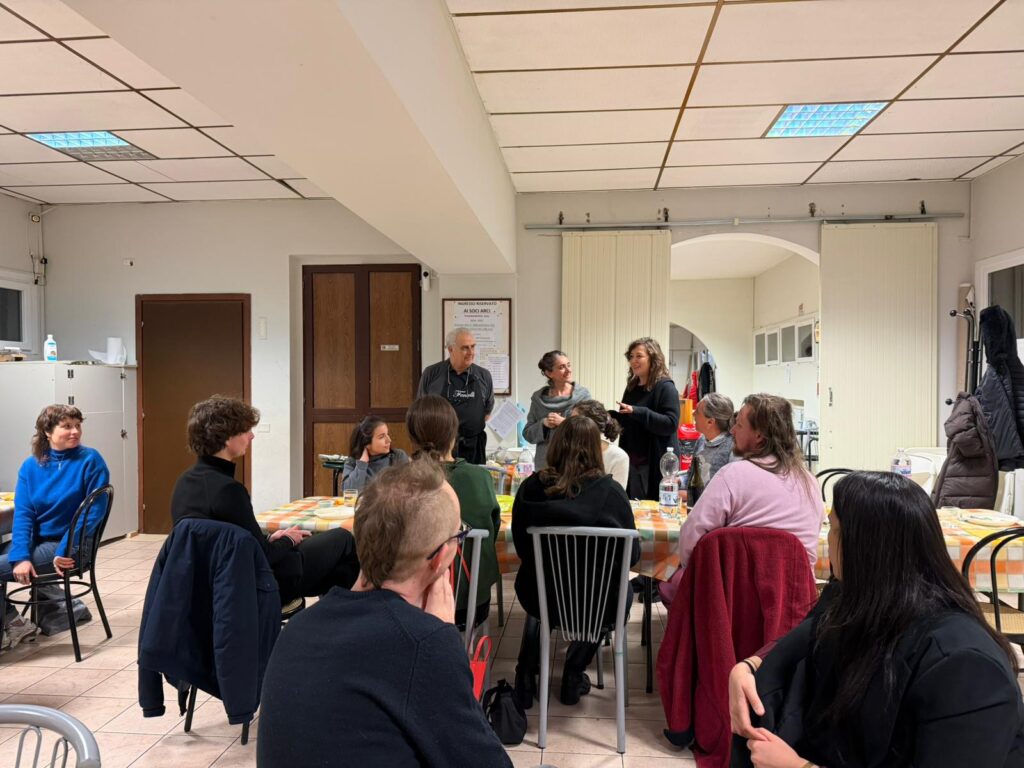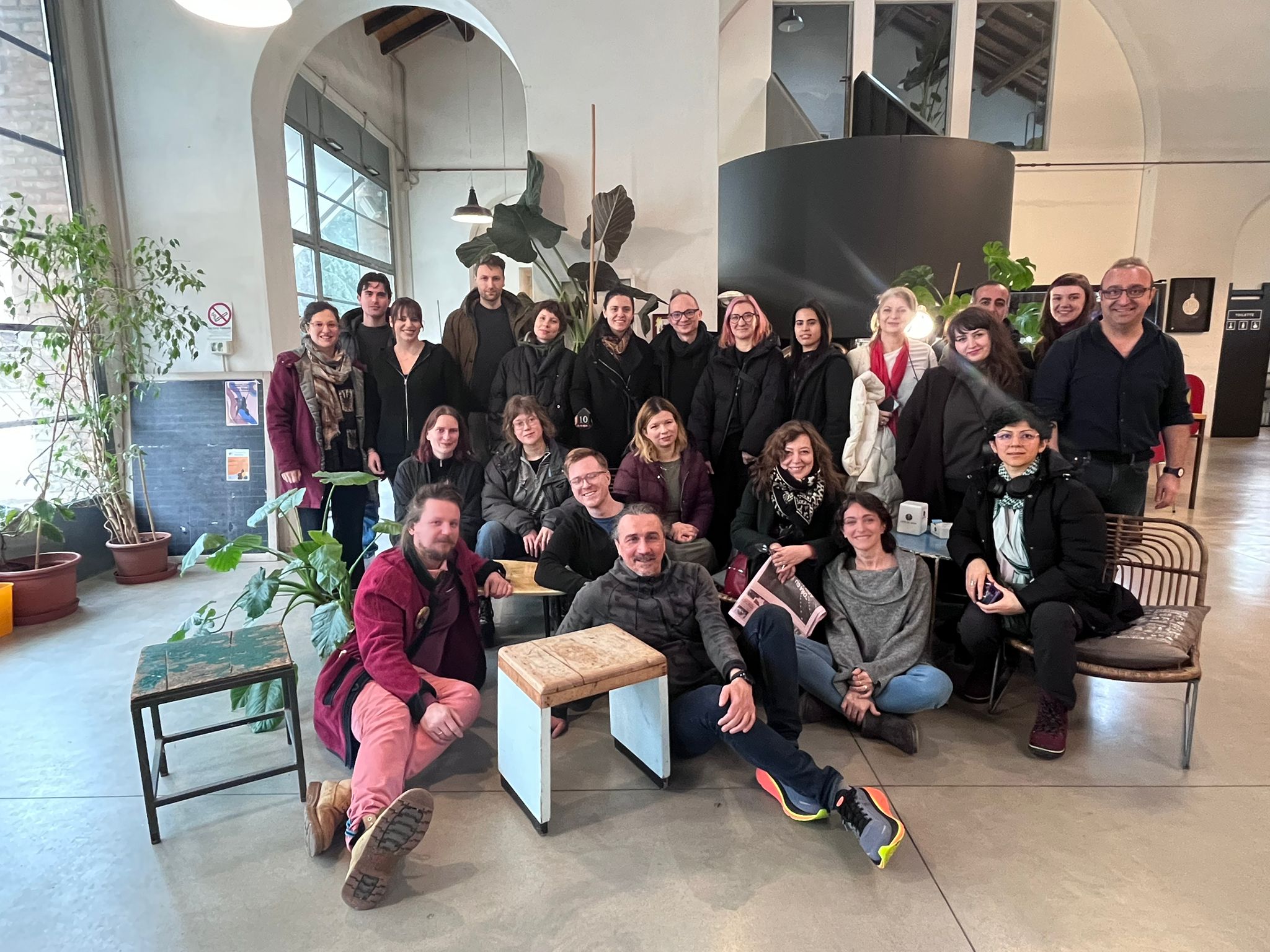
From 26 to 30 January, partners of the Justurbanities project met in Reggio Emilia for the Learning, Teaching and Training Activity (LTTA), hosted by Fondazione E35 and local partners. The four-day programme focused on the collaborative development of the educational game at the core of the project, combining game design methods, storytelling, and community-based approaches to urban challenges.
The LTTA was structured as an intensive co-creation process, bringing together participants from different countries to transform previous research, local game jam results, and knowledge gathering activities into concrete game concepts. The objective was to move from analysis to experimentation, testing how game mechanics can support reflection on urban liveability, climate challenges, social inclusion, and community participation.
From knowledge gathering to game concepts
The first day introduced the journey map of the project, clarifying expectations and shared goals. Participants reviewed the results of local game jams and needs assessments, identifying recurring themes across partner countries. These included public health challenges linked to climate stress, social fragmentation, regeneration of neighbourhood spaces, and the importance of collective action in addressing complex urban problems.
The discussion highlighted how stories can start from everyday frustrations or crisis situations and evolve toward positive transformation. The emerging narrative direction focused on community building as a central driver: improving neighbourhood liveability through cooperation, shared responsibility, and the activation of local resources.
Collaborative storytelling and game ideation
During the second day, participants worked on defining target personas and developing initial storylines. Working groups explored different narrative approaches, such as using an external perspective to reveal hidden dynamics within communities, starting from a shared crisis that requires collective response, or creating intergenerational encounters as a gameplay mechanism.
The first drafts of the stories introduced key elements that later shaped the game structure: moving from negative scenarios toward shared visions of change, showing how individual actions affect collective outcomes, and making interdependence visible within urban systems.
Game mechanics and development
The third day focused on integrating storytelling with gameplay mechanics, using the Hero’s Journey framework as a reference for structuring progression and player engagement. Teams worked on developing game drafts and refining ideas through continuous feedback sessions.
The emerging game approach emphasised collaboration over competition. Players assume different roles with specific skills and resources, requiring communication, negotiation, and coordination to progress. Mechanics such as role-playing, dialogue choices with consequences, resource management, and iterative “repair and retry” processes were explored to support learning through experience.
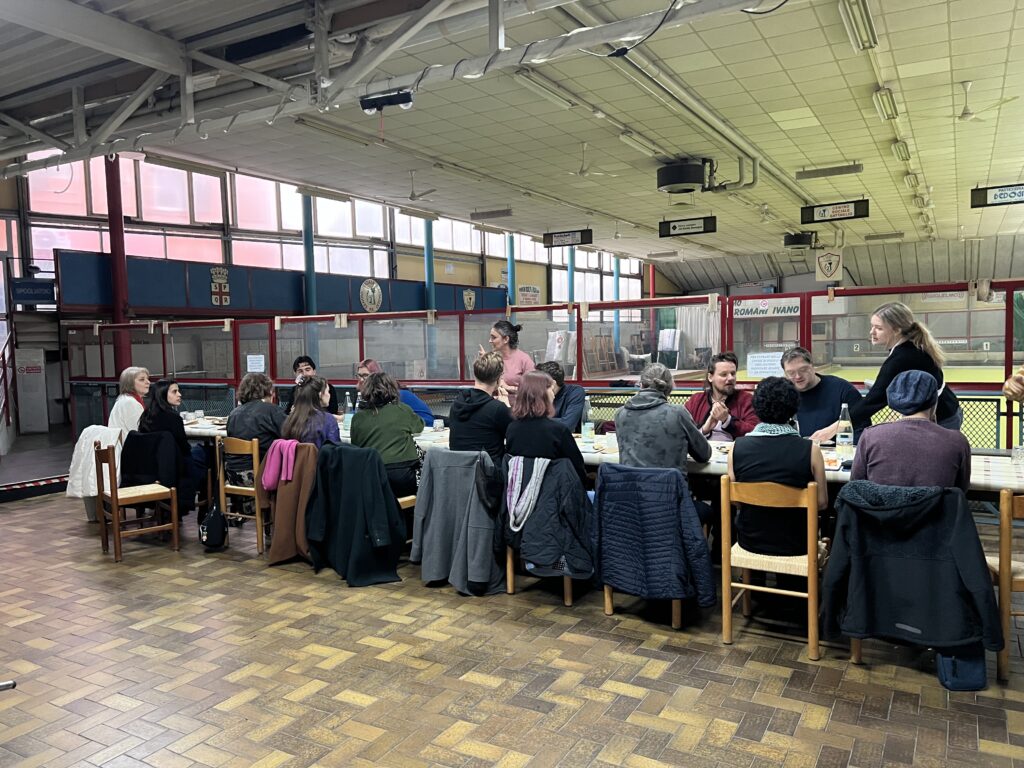
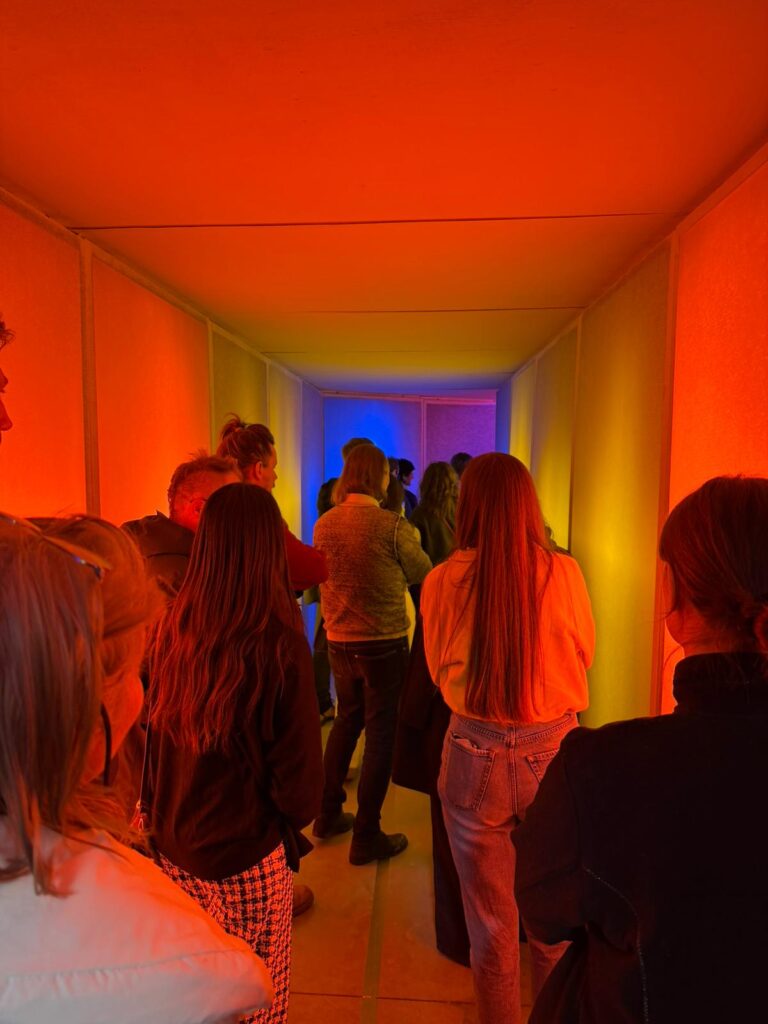
The programme also included visits to local innovation and educational spaces, reinforcing the connection between the project’s methodology and Reggio Emilia’s long-standing culture of participation and educational experimentation.
Testing and Game Jam closure
The final day was dedicated to testing sessions and feedback, allowing participants to validate narrative directions and mechanics developed during the LTTA. The activity concluded with the closure of the Game Jam phase, marking an important transition toward the next stages of game development.
The LTTA in Reggio Emilia represented a key step in the Justurbanities project, transforming ideas into structured game concepts and strengthening collaboration among partners. The outcomes will now feed into the further development of the educational game, aiming to support young people and communities in exploring urban challenges through participatory and experiential learning.